Design through field routing
Project requirements, hygienic design considerations, constructability, isometrics, tie-ins, supports, access, drainability, and installation sequencing.
MJM QAAI | Pharmaceutical Process Piping
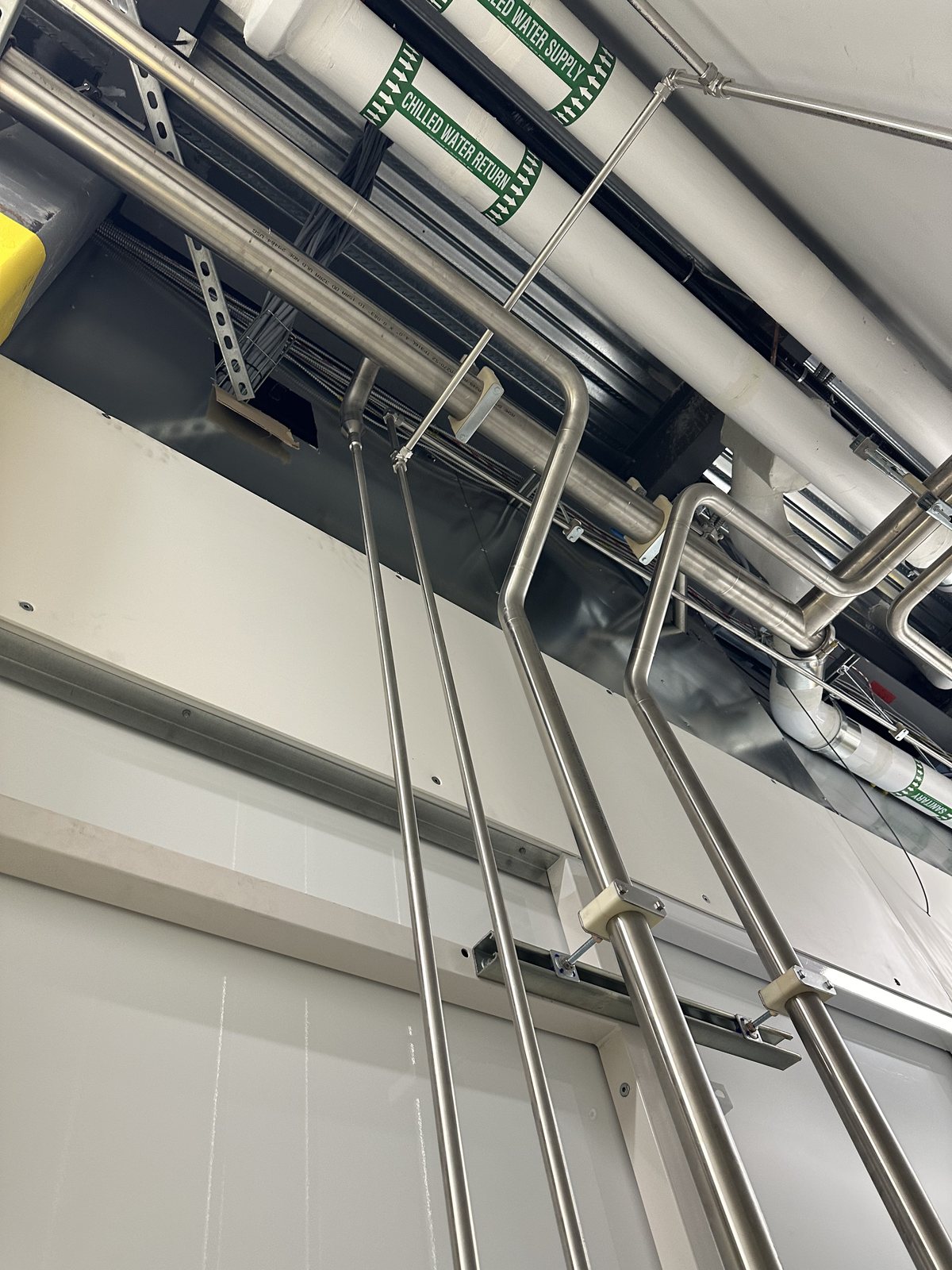
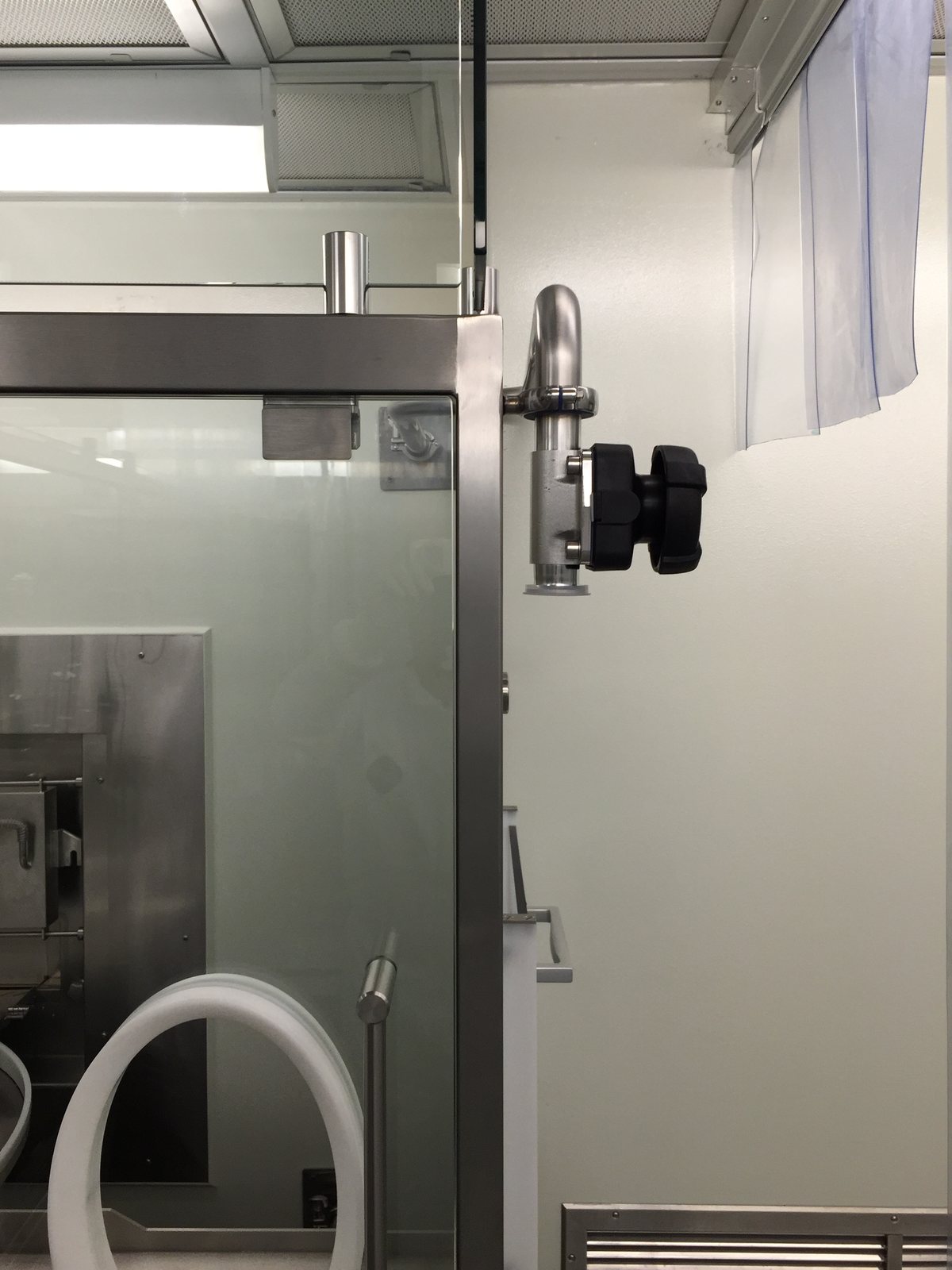
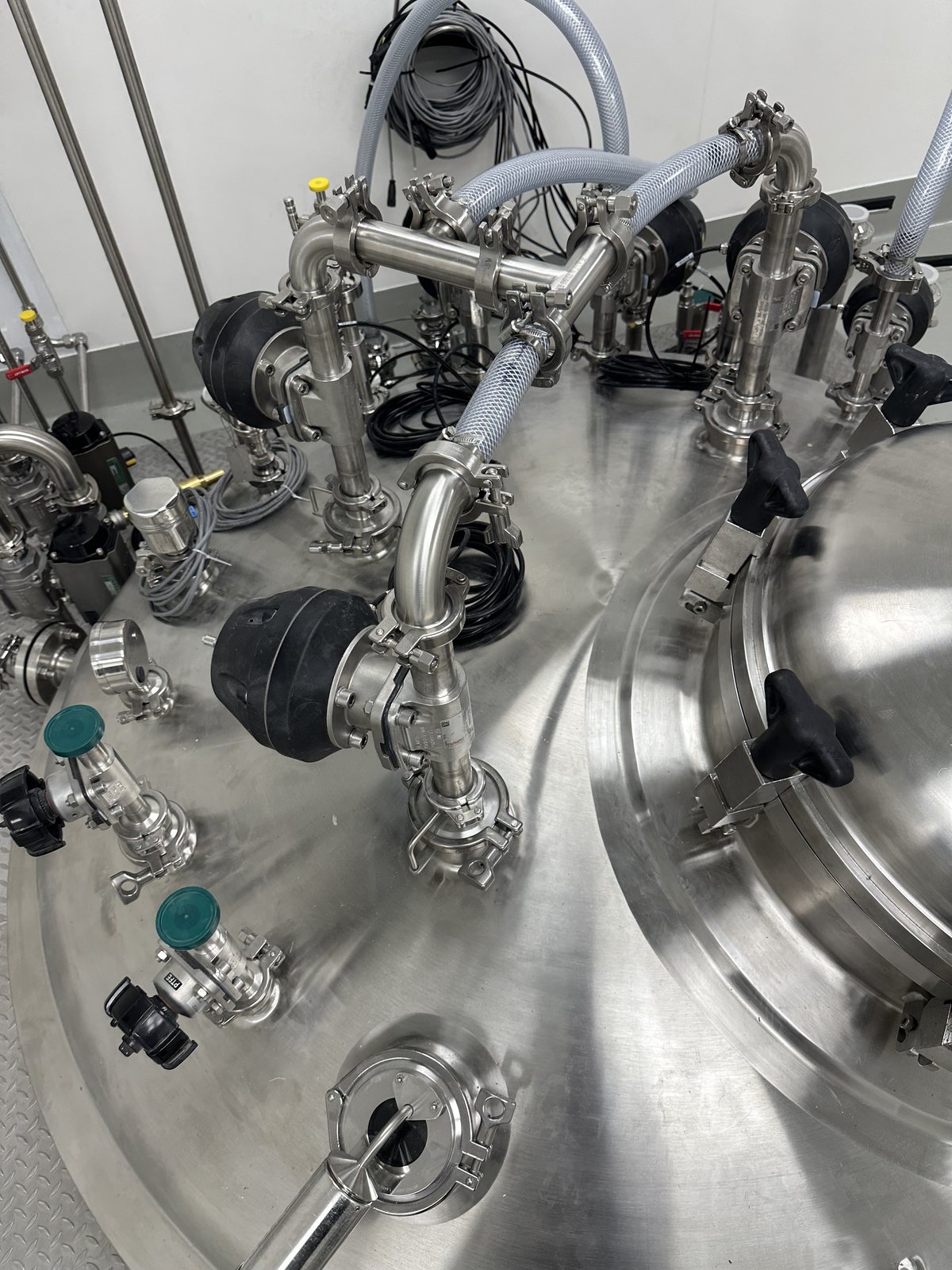
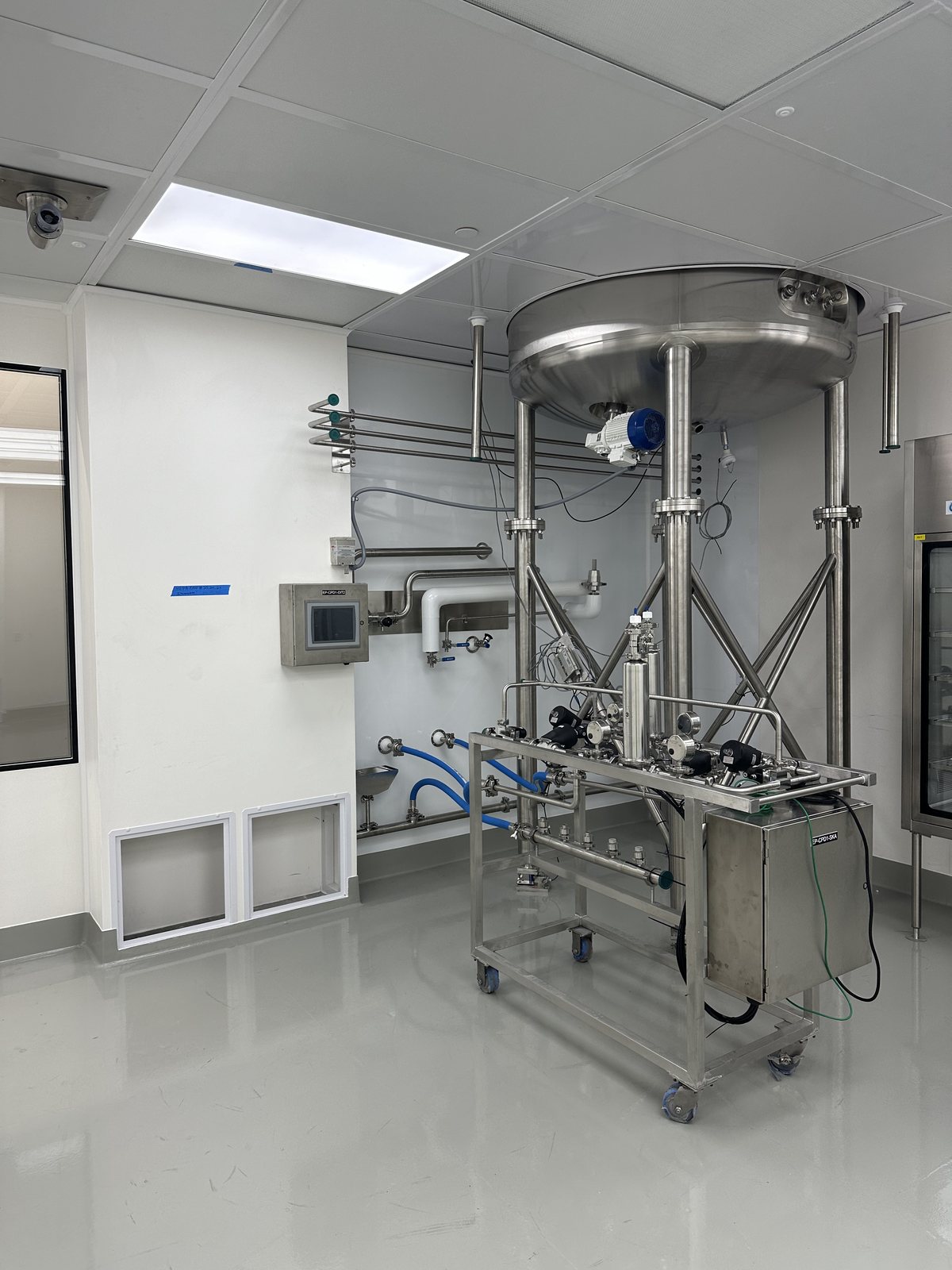
MJM installs hygienic process piping for pharmaceutical and bioprocessing facilities from our Ocala, Florida operating base. ASME BPE project requirements, qualified welding, material control, inspection, testing, passivation, exceptions, and turnover remain connected through MJM QAAI.
Why MJM QAAI
Turnover can fail when drawings, materials, weld identity, inspection evidence, test results, passivation records, and field changes do not agree. MJM QAAI checks the connections while the work is active—before missing evidence becomes a closeout problem.
Project requirements, hygienic design considerations, constructability, isometrics, tie-ins, supports, access, drainability, and installation sequencing.
Shop and field fabrication, orbital and manual welding as applicable, fit-up, installation, equipment connections, modifications, and controlled tie-ins.
Material traceability, weld logs and maps, inspection, testing, passivation, punch items, redlines, and customer-ready turnover.
Applicable requirements
The MJM QAAI piping cycle
MJM QAAI helps turn drawings and requirements into field controls, reconcile weld and material evidence, identify missing records or conflicts, and assemble a bounded turnover package.
Human authority remains visible: qualified welders perform the work; authorized inspectors and customer representatives make the approvals assigned by the project.
Expected turnover controls
MJM QAAI does not replace the engineer of record, code-required inspection, customer Quality Unit, Authorized Inspector, or other authority assigned by contract or regulation.
Use Contact Russ at the top of the page for the direct phone number and email.